Sete Orthopedic Implants
How to extend the life of orthopedic implants is not answered by one surgical technique. Implant longevity begins before surgery, with accurate diagnosis, suitable implant selection, and realistic patient expectations. It continues through rehabilitation, weight management, strength training, and regular clinical reviews. Every detail matters, including how a patient climbs stairs, lifts groceries, or returns to running.
Orthopedic surgeon Dr. Daniel J. Berry has emphasized, “The goal of joint replacement is to relieve pain and restore function.” That principle keeps implant care focused on the patient, not only the device. A well-positioned hip or knee can perform for many years, but excessive impact, untreated infection, poor bone quality, and missed follow-up appointments may accelerate failure. Small warning signs matter. New swelling, warmth, clicking, or reduced walking distance should not be ignored.
This article examines the evidence behind implant protection, from surgical precision to daily habits and long-term monitoring. It also considers factors that patients cannot fully control, including age, tissue healing, metal sensitivity, and unexpected wear. No strategy is flawless. Even careful patients may face loosening or revision surgery. Still, informed choices can reduce avoidable stress on an implant. The strongest approach combines experienced orthopedic care, responsible activity, and honest communication. That combination is practical, measurable, and safer than relying on advertisements or personal anecdotes.
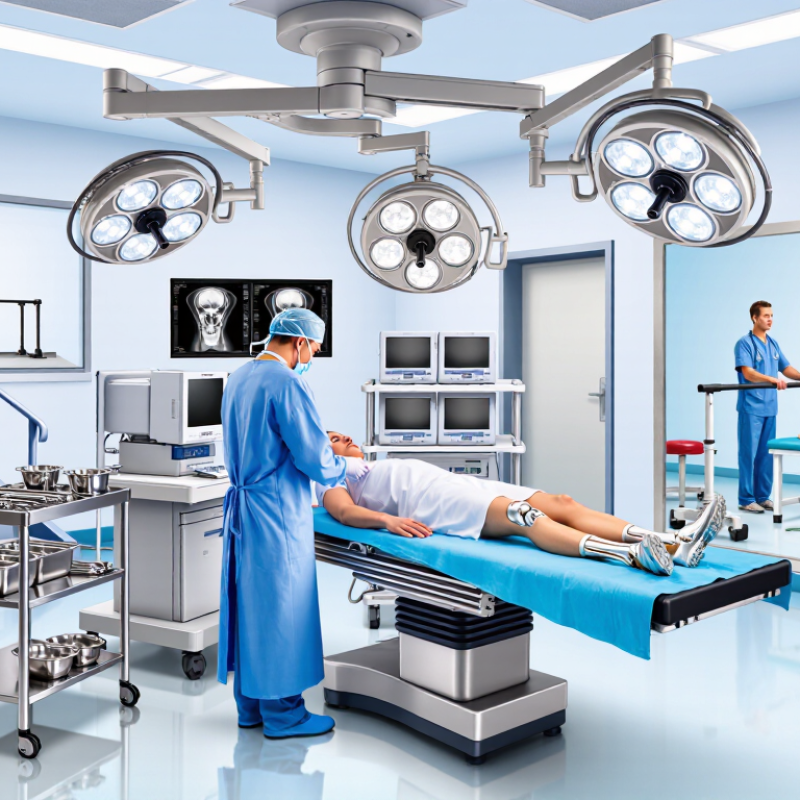
Orthopedic implant longevity depends on several connected factors, not one perfect habit. Implant design, surgical alignment, bone quality, body weight, and daily loading all matter. A well-positioned implant usually handles stress better than one exposed to uneven forces. Weak bone may reduce fixation strength. Repeated high-impact activity can also increase wear over time.
Recovery deserves patience. Follow the surgeon’s weight-bearing instructions, even when pain improves quickly. Physical therapy can strengthen nearby muscles and improve balance. This reduces unnecessary stress during walking, climbing stairs, or standing from a chair. Regular clinical reviews may identify loosening, shifting, or wear before symptoms become severe. X-rays are sometimes useful, but the timing depends on the implant and the patient. No plan is perfect. Personal habits are often underestimated.
Tips: Keep follow-up appointments and report new swelling, warmth, drainage, or persistent pain. Maintain a stable weight and choose low-impact exercise, such as swimming or controlled cycling. Use supportive footwear on uneven ground. Avoid smoking, because it can impair bone healing and circulation. Do not ignore a new clicking sensation or sudden loss of function. A fall can change the situation quickly. Even a minor one deserves medical advice when pain continues.
Extending an orthopedic implant’s life begins before the operation. Implant selection should match bone quality, anatomy, activity level, age, and revision risk. A highly active patient may need different bearing materials than an older patient with fragile bone. Fixation also matters. Cemented, uncemented, and hybrid options can perform well when patient factors and surgical technique align.
The Lancet joint-survival analysis reported that about 58.7% of hip replacements and 82.3% of knee replacements remained unrevised at 25 years. These figures describe populations, not promises. The Australian Orthopaedic Association National Joint Replacement Registry also shows revision risk varies by joint, fixation method, patient age, and diagnosis. Small details matter. A poor fit can create uneven loading, while inadequate alignment may accelerate wear.
Surgical approach deserves equal attention. Surgeons should consider muscle disruption, soft-tissue protection, joint stability, fracture risk, and their own verified experience. Current evidence does not prove one approach is universally best. The best choice depends on anatomy and surgical judgment. I have seen patients focus heavily on implant material while overlooking rehabilitation and weight control. That is an understandable mistake. Selecting a durable implant is only half the task. Accurate positioning, infection prevention, realistic activity planning, and long-term follow-up also influence implant survival. Registry statistics are useful, but they cannot replace individualized planning or honest discussion about uncertainty.
| Decision Dimension | Common Options | Evidence-Informed Considerations | Potential Benefit for Implant Longevity | Important Trade-Offs |
|---|---|---|---|---|
| Implant fixation | Cemented, cementless, or hybrid fixation | The appropriate method depends on bone quality, age, anatomy, fracture risk, and the joint being treated. Cementless fixation relies on bone growth into a porous implant surface, while cemented fixation provides immediate fixation. | Stable fixation reduces micromotion, loosening risk, and implant-related pain. | Cementless fixation may require sufficient bone quality and controlled early loading; cemented fixation adds cement-related surgical considerations. |
| Bearing surface | Metal-on-polymer, ceramic-on-polymer, or ceramic-on-ceramic | Bearing selection affects wear particles, friction, fracture risk, noise, and component positioning requirements. Highly cross-linked polymers have reduced wear compared with older conventional polyethylene designs. | Lower wear can reduce osteolysis, a biological reaction that may contribute to loosening and revision. | No bearing eliminates wear completely. Ceramic components can be sensitive to alignment and may rarely fracture or produce audible sounds. |
| Implant size and geometry | Anatomical, standard, short-stem, or patient-specific sizing | Accurate sizing restores joint biomechanics, distributes load appropriately, and helps avoid instability, impingement, overhang, or stress concentration. | Correct fit may reduce abnormal loading, pain, dislocation risk, and premature wear. | A smaller or bone-preserving design is not automatically better; insufficient fixation or poor load transfer can shorten implant life. |
| Alignment and component position | Conventional instrumentation, navigation, or robotic assistance | Alignment within the planned mechanical and anatomical targets can improve load distribution. Technology may improve positioning accuracy, but long-term survival depends on multiple factors and not technology alone. | Balanced alignment may reduce edge loading, instability, polyethylene wear, and abnormal joint forces. | Additional technology can increase cost, planning time, or procedure complexity and does not replace surgical judgment. |
| Surgical approach | Anterior, posterior, lateral, medial, or other joint-specific approaches | The best approach depends on anatomy, previous surgery, soft-tissue condition, surgeon experience, and patient-specific risks. For hip replacement, approaches may differ in early recovery profiles, while long-term implant survival is more strongly influenced by positioning, fixation, patient factors, and complications. | An approach that protects soft tissues and enables accurate component placement may reduce instability, damage, and recovery complications. | Each approach has distinct risks involving muscles, nerves, blood vessels, fracture, wound healing, or dislocation. |
| Soft-tissue balancing | Ligament balancing, tendon preservation, and stability testing | Balanced tension and stable movement are important in knee, hip, shoulder, and other joint replacements. Excessive tightness or laxity can increase pain, wear, stiffness, or instability. | Improved stability and load distribution can reduce abnormal contact forces and revision risk. | Overcorrection may cause stiffness or altered biomechanics; under-correction may cause instability or uneven loading. |
| Patient activity | Low-impact, moderate-impact, or high-impact activity | Repeated high-impact loading, heavy lifting, running, and jumping can increase mechanical stress and wear, although safe activity limits vary by implant, joint, bone quality, and rehabilitation progress. | Low-impact exercise such as walking, cycling, swimming, and controlled strengthening generally places less repetitive stress on many joint implants. | Avoiding all activity can weaken muscles and bones. Activity should be individualized rather than completely restricted. |
| Weight and metabolic health | Weight management, diabetes control, and bone-health optimization | Higher body weight increases joint loading. Poorly controlled diabetes, smoking, malnutrition, and osteoporosis can increase infection, wound, fracture, or fixation-related complications. | Optimizing modifiable health factors supports healing, stable fixation, and lower complication risk. | Health optimization requires time and coordinated medical care; it cannot fully eliminate individual biological risks. |
| Infection prevention | Preoperative screening, sterile technique, antibiotics, and wound care | Periprosthetic joint infection is an important cause of implant failure. Risk reduction includes appropriate screening, skin preparation, antibiotic protocols, glucose control, and prompt evaluation of wound problems. | Preventing infection protects the implant and may avoid complex revision surgery. | Antibiotic decisions must follow clinical protocols because unnecessary antibiotics can cause adverse effects and resistance. |
| Rehabilitation | Progressive range-of-motion, strengthening, gait, and functional training | Structured rehabilitation restores muscle control, joint motion, balance, and safe movement patterns. The pace should reflect fixation, tissue healing, pain, and surgical instructions. | Stronger muscles and better movement mechanics can reduce falls, abnormal loading, and secondary stress on the implant. | Aggressive or unsupervised loading too early may increase fracture, dislocation, wound, or soft-tissue complications. |
| Long-term follow-up | Clinical review, radiographs, and symptom-based assessment | Many modern joint replacements function for 15 to 20 years or longer, but durability varies with age, activity, implant type, fixation, anatomy, complications, and registry outcomes. | Monitoring can identify progressive loosening, wear, migration, fracture, or infection before major bone loss occurs. | Routine imaging schedules differ by joint, surgeon, symptoms, and local guidelines; new pain or reduced function should be assessed promptly. |
What Is the Best Way to Extend Orthopedic Implant Life?
Following Postoperative Care and Rehabilitation Guidelines
An orthopedic implant can support movement for many years when recovery is managed carefully. Follow your surgeon’s weight-bearing instructions, even when pain improves quickly. Use crutches, walkers, or braces as prescribed. Attend follow-up appointments, because small changes can appear before discomfort becomes severe. Report increasing swelling, warmth, drainage, fever, or sudden instability promptly. These signs require professional assessment.
Tips: Keep rehabilitation exercises controlled and consistent. Do not add resistance without approval. Protect the incision from unnecessary pressure and keep it clean. Maintain a healthy weight to reduce stress on the joint. Support bone health with adequate protein, calcium, vitamin D, and medical guidance. Never ignore new clicking or persistent pain.
Recovery is rarely perfectly linear. A stronger day can be followed by stiffness or fatigue. That does not always mean the implant is failing, but it deserves attention if symptoms persist. Rehabilitation should match the implant, surgical site, and individual healing pattern. A therapist may adjust exercises when swelling increases or movement remains limited. Avoid high-impact activity until your orthopedic team confirms it is safe. Even routine actions, such as twisting while carrying groceries, can challenge healing tissues. Patience matters. So does honest communication.
Estimated percentage of primary joint replacements remaining unrevised over time
Joint implants can remain functional for many years, but longevity varies with implant type, surgical factors, age, activity level, body weight, bone quality, infection risk, and trauma. Following weight-bearing instructions, completing prescribed rehabilitation, maintaining muscle strength and a healthy body weight, attending follow-up appointments, and seeking early care for persistent pain, swelling, fever, or instability may help protect the implant.
The values shown are generalized population-level estimates for educational use, not an individual prognosis. Actual implant survival differs by joint and patient.
Extending orthopedic implant life depends on more than surgical technique. Your overall health can change how an implant carries load, heals, and tolerates daily movement. Uncontrolled diabetes may slow wound healing and raise infection risk. Poor bone density can reduce fixation, especially after a fall. Weight matters too. Extra force reaches the joint with every stair and uneven step.
Regular appointments help clinicians monitor pain, alignment, mobility, and subtle changes on imaging. Bring a current medication list, including supplements. Some medicines affect bone strength or interact with treatment plans. Ask for blood glucose, bone health, and weight goals suited to your condition. Do not adjust medication alone. If you smoke, discuss a supported cessation plan, because nicotine can impair tissue and bone healing. A walking program, strength work, or physical therapy may protect movement, but intensity should match healing progress.
Small choices are practical: use prescribed walking aids, protect balance, and report new warmth, drainage, fever, or sudden pain promptly. Persistent swelling deserves attention. I have seen patients focus on the implant while overlooking sleep, nutrition, or blood pressure. That is an incomplete picture. Recovery is not perfectly linear, and one missed appointment can reveal how easy it is to underestimate gradual symptoms. Your orthopedic team should coordinate with primary care and relevant specialists when health conditions complicate implant care. This shared monitoring supports safer decisions without promising an implant will last forever.
Monitoring implant health is one of the most practical ways to protect an orthopedic implant. Regular follow-up visits allow clinicians to compare pain, movement, strength, and imaging over time. Small changes matter. A patient may notice new stiffness, swelling, warmth, clicking, or reduced walking distance before a serious problem develops. These signs do not always indicate failure, but they deserve professional evaluation.
Imaging can reveal changes that symptoms miss, including implant loosening, bone loss, wear, or alignment problems. Depending on the joint and surgical history, a clinician may use X-rays, blood tests, or other scans. Keep your records. Earlier images help specialists identify gradual changes more accurately. Patients should also report falls, infections, dental procedures, or sudden changes in activity. Each detail can affect clinical decisions.
Daily habits support long-term implant health. Maintain a healthy weight, build strength with approved exercises, and avoid sudden increases in impact activity. Follow rehabilitation guidance, even when the joint feels normal. It is easy to become overconfident. No monitoring plan is perfect, and some complications develop quietly. However, consistent appointments and honest communication improve the chance of addressing problems while treatment options remain simpler.
Never ignore persistent pain, drainage, fever, or a noticeable change in joint function. Act early.
Implant design, surgical alignment, bone quality, body weight, and daily loading all matter. A well-positioned implant usually handles stress better. No single habit guarantees long service.
Yes. Physical therapy strengthens nearby muscles and improves balance. This can reduce stress while walking, climbing stairs, or rising from a chair. Progress should match healing.
Swimming and controlled cycling are generally low-impact choices. Supportive footwear helps on uneven ground. Repeated jumping or heavy impact may increase wear over time.
Extra weight increases force through the joint during stairs and uneven steps. A stable, medically appropriate weight may reduce daily loading. Weight goals should fit your health condition.
Uncontrolled diabetes may slow wound healing and increase infection risk. Poor bone density can weaken fixation, especially after a fall. Blood glucose and bone health deserve regular medical review.
Report new warmth, drainage, fever, persistent swelling, or sudden pain. A new clicking sound or loss of function also deserves attention. Do not wait too long.
Follow-up visits can detect loosening, shifting, alignment changes, or wear. Imaging may help, but timing depends on the implant and patient. One missed visit can matter more than expected.
No approach is universally best. The choice depends on anatomy, soft-tissue protection, stability, fracture risk, and surgical experience. Implant material alone is not enough. Accurate placement still matters.
Long-term studies found about 58.7% of hip replacements and 82.3% of knee replacements remained unrevised after 25 years. These are population figures, not personal promises. Age, joint type, fixation, diagnosis, and activity can change the outlook.
Extending the life of an orthopedic implant begins with understanding the factors that influence its durability, including implant design, surgical technique, activity level, body weight, bone quality, and overall health. How to extend the life of orthopedic implants depends on choosing an appropriate implant and surgical approach that match the patient’s anatomy, condition, and lifestyle. A carefully planned procedure can improve stability, reduce unnecessary stress, and support long-term function.
After surgery, patients should follow rehabilitation instructions, attend follow-up appointments, and gradually return to activity under professional guidance. Maintaining a healthy weight, managing conditions such as osteoporosis or diabetes, avoiding smoking, and strengthening the surrounding muscles can also help protect the implant. Regular monitoring is important because pain, swelling, reduced movement, instability, or unusual sounds may indicate a developing problem. Reporting these changes early allows timely evaluation and treatment, helping preserve mobility and reduce the risk of complications.
