Sete Orthopedic Implants Sete Orthopedic Implants

Why Does Weight Affect Orthopedic Implant Lifespan?

Time:2026-09-09 Author:Charlotte
0%

Does weight affect orthopedic implant lifespan? The short answer is often yes, but the full answer is more careful. Body weight increases the forces transmitted through a hip, knee, or ankle implant during standing, climbing stairs, and rising from a chair. A heavier load may accelerate polyethylene wear, stress surrounding bone, or contribute to loosening over time. Yet weight alone does not decide the outcome.

Orthopedic surgeon Dr. Daniel J. Berry has explained, “Weight is one factor, but it is not the only factor that determines implant success.” That perspective matters. Implant design, surgical alignment, bone quality, muscle strength, activity level, and infection risk also influence durability. A patient weighing 95 kilograms may have a different risk profile from another patient at the same weight. Their movement patterns and medical history may differ greatly.

The details become visible in ordinary moments. A misaligned knee implant can experience uneven pressure with every step. Weak muscles may increase joint loading during a staircase descent. Poor follow-up can allow small problems to grow quietly. Still, weight reduction is not a guarantee, and presenting it as one would be misleading.

This article examines the connection between body weight and implant lifespan without reducing patients to a single number. Evidence is not perfectly uniform. Some studies show stronger associations than others. That uncertainty deserves honesty. Readers will learn which mechanical and biological factors matter, how surgeons assess risk, and why individualized medical guidance remains essential before or after orthopedic implant surgery.
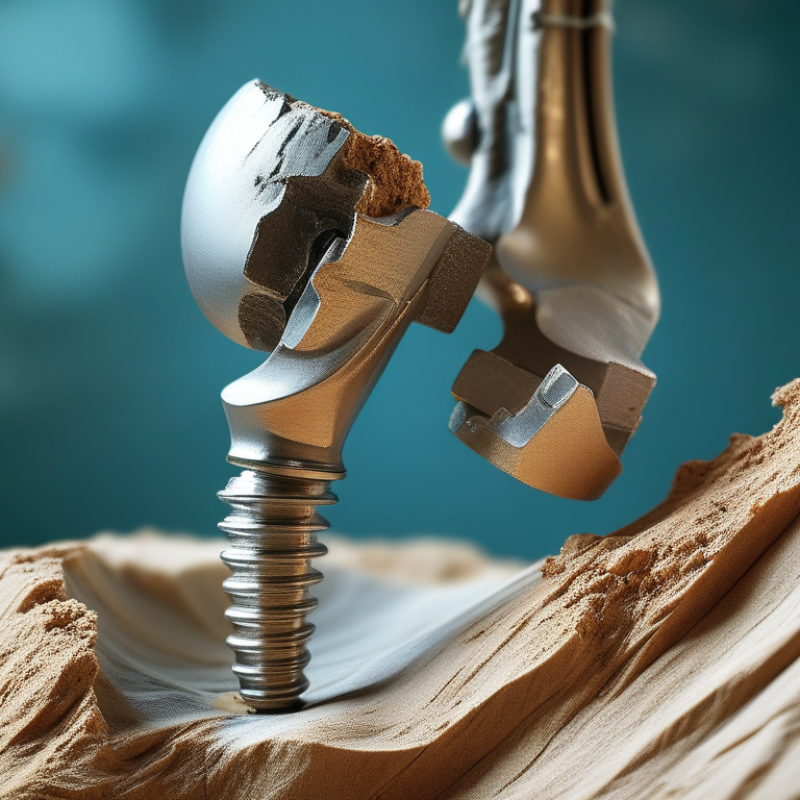
Why Does Weight Affect Orthopedic Implant Lifespan?

How Body Weight Influences Forces on Orthopedic Implants

Why Does Weight Affect Orthopedic Implant Lifespan?

Body weight changes the forces moving through an orthopedic implant. During ordinary walking, the hip and knee may experience several times the body’s static weight. Stairs, rising from a chair, and carrying groceries can increase those forces further. A heavier body does not automatically cause implant failure, but it can increase mechanical demand on fixation, bearing surfaces, and surrounding bone.

Over time, repeated loading may contribute to wear, loosening, or stress around the implant. The effect depends on more than weight. Muscle strength, movement patterns, bone quality, surgical technique, implant position, and activity levels also matter. A simple scale cannot tell the whole story. In clinical practice, two people with similar weights may place very different demands on their implants. That comparison is easy to miss.

Tips: Follow the rehabilitation plan, build strength gradually, and choose low-impact activities when appropriate. Keep follow-up appointments, especially if pain, swelling, instability, or reduced movement appears. Weight management may help, but it should be realistic and medically supervised. I would avoid treating body weight as a verdict. It is one factor among many, and implant performance can never be predicted by weight alone.

The Relationship Between Mechanical Load and Implant Wear

Why Does Weight Affect Orthopedic Implant Lifespan?

Body weight changes the mechanical load placed on an orthopedic implant. During walking, the hip or knee may experience forces several times greater than body weight. Extra load increases pressure across the bearing surfaces and surrounding bone. Repeated stress can slowly create wear particles, loosen fixation, or fatigue metal components. The process is gradual. Patients may notice nothing at first.

However, weight alone does not determine implant lifespan. Activity level, alignment, muscle strength, bone quality, and surgical technique also matter. A heavier person with controlled movement may place less stress on an implant than a lighter person with high-impact habits. This relationship is real, but not perfectly predictable.

A simple weight chart can mislead. Clinicians should review symptoms, imaging, gait, and implant stability together.

Tips: Maintain a healthy weight through safe, consistent habits. Choose low-impact activities when advised by your orthopedic team. Strengthen supporting muscles with professional guidance. Avoid sudden increases in running, jumping, or heavy lifting. Attend scheduled follow-up visits, even when the joint feels normal. Pain, swelling, clicking, or reduced motion deserves timely evaluation. Weight reduction may help, but it cannot reverse every cause of implant wear. Individual advice remains essential.

How Implant Materials and Designs Respond to Weight

An implant does not experience body weight as a single, steady force. Walking, climbing stairs, and rising from a chair create changing loads across its surfaces. Heavier patients may increase these forces, but weight alone does not determine implant lifespan. Muscle strength, activity level, bone quality, alignment, and surgical technique also matter.

Materials respond differently. Titanium and cobalt-chromium alloys provide strong structural support, while ceramic surfaces can reduce friction in selected joint designs.

Polyethylene liners must manage repeated contact and possible wear particles. Design matters too. A wider load-bearing area may distribute pressure more evenly. Porous surfaces can encourage bone attachment, but fixation still depends on bone health and healing.

These effects are well studied, yet individual outcomes remain difficult to predict. I once viewed weight as the main risk, but that was too simple.

Tips: Ask how the implant material matches your bone quality and daily activities. Discuss realistic weight management without chasing rapid changes. Follow rehabilitation guidance carefully, because controlled movement protects both muscles and fixation. Report increasing pain, swelling, instability, or reduced function early. No design removes every risk. Regular clinical reviews and appropriate imaging help identify problems before they become harder to manage.

Weight-Related Risks in Different Types of Orthopedic Implants

Why Does Weight Affect Orthopedic Implant Lifespan?

Weight-related risks differ across orthopedic implants. In hip and knee replacements, higher body mass increases joint loading during walking, stairs, and standing. A 2023 meta-analysis found severe obesity was linked with roughly twice the revision risk after total knee replacement. Infection risk was also more than twice as high in several studies. The 2024 Australian Orthopaedic Association National Joint Replacement Registry report tracks more than 1.8 million procedures, showing that survivorship depends on implant type, patient factors, and follow-up duration.

The risks change with fracture-fixation hardware. Plates, screws, and rods may face greater bending forces before a fracture fully heals. Obesity is associated with higher rates of wound problems, delayed healing, and hardware failure. A pooled analysis in Injury reported approximately twofold higher complication rates among patients with obesity after lower-limb fracture surgery. That number is useful, but not absolute.

Spinal implants present another pattern. Extra abdominal weight can increase load on fused segments and complicate surgical exposure. Large database studies report higher infection, readmission, and reoperation rates in patients with severe obesity. The evidence is not perfectly tidy. Fitness, diabetes, bone quality, smoking, and surgical technique also matter. Weight alone is not destiny. A heavier patient with strong bone and careful rehabilitation may recover better than a lighter patient with poor healing risks. That part deserves more honest discussion.

Ways Weight Management May Support Implant Longevity

Why Does Weight Affect Orthopedic Implant Lifespan?

Weight management may support implant longevity, but it is not a simple pass-or-fail test. Every extra kilogram increases the load transferred through the hip, knee, or ankle during walking and stairs. Repeated loading can accelerate polyethylene wear, loosening, and discomfort. The 2024 American Joint Replacement Registry Annual Report included data from more than three million hip and knee procedures. Its scale shows why patient weight, activity, and revision patterns deserve careful monitoring. Still, registry data cannot prove that weight alone causes implant failure.

Practical management often begins before surgery. A gradual reduction of 5% to 10% of body weight may improve blood pressure, glucose control, and movement tolerance. Stronger muscles can also reduce joint stress during daily steps. Nutrition counseling should protect protein intake, especially in older adults. Low-impact cycling and water exercise may help. Small changes count.

The evidence is not perfectly clean. A 2023 systematic review in Clinical Orthopaedics and Related Research associated obesity with higher infection and revision risks, but results varied among studies. BMI also misses muscle mass and fat distribution. That limitation matters. A surgeon, dietitian, and physical therapist can build a safer plan using weight, waist size, strength, diabetes status, and activity level. Weight loss should support recovery, not become a punishment or an automatic reason to delay necessary care.

Why Does Weight Affect Orthopedic Implant Lifespan?

Joint loading increases with body weight. Because walking, stair climbing, and running can generate forces several times body weight, maintaining a healthy weight may help reduce cumulative mechanical stress on an orthopedic implant.

This chart shows estimated lower-limb joint force for 60 kg, 80 kg, and 100 kg body weights. The calculations use commonly reported approximate peak loading factors: 3× body weight during walking, 4.5× during stair climbing, and 7× during running. These values illustrate biomechanics rather than predict an individual implant’s survival. Implant longevity also depends on implant design, surgical alignment, activity level, bone quality, and medical care.

FAQS

: How can body weight affect an orthopedic implant?

: Extra weight increases force across the implant during walking, stairs, and standing. More pressure. More repetition. Over time, this may contribute to wear, loosening, or metal fatigue.

Does body weight alone determine implant lifespan?

No. Activity, alignment, muscle strength, bone quality, and surgical technique also matter. Weight is only one piece. A lighter person with frequent jumping may stress an implant more than a heavier person moving carefully.

Which implants may face greater weight-related stress?

Hip and knee replacements carry repeated loads during daily movement. Plates, screws, and rods may bend before a fracture heals. Spinal implants can face additional stress from extra abdominal weight.

What complications may be more common with obesity?

Studies report higher risks of infection, delayed healing, wound problems, hardware failure, and revision surgery. The risk is not identical for everyone. Diabetes, smoking, fitness, and bone quality can change the picture.

Can weight loss help protect an implant?

Gradual weight loss may reduce joint loading and improve movement tolerance. A five-to-ten-percent reduction may support blood pressure and glucose control. It cannot reverse every cause of implant wear.

What activities may support implant longevity?

Low-impact cycling, water exercise, and guided strengthening may reduce stress during movement. Avoid sudden increases in running, jumping, or heavy lifting. Small changes matter.

Should someone delay surgery because of weight?

Not automatically. Weight management may improve recovery, but necessary treatment should not be delayed without careful medical advice. The decision needs context. Symptoms, healing risks, and overall health all matter.

How can patients monitor possible implant problems?

Attend follow-up visits, even when the joint feels normal. Report pain, swelling, clicking, reduced motion, or new walking difficulty. Quiet problems exist. Clinicians may combine imaging, gait assessment, symptoms, and stability checks.

Conclusion

Does weight affect orthopedic implant lifespan? In many cases, body weight can influence how much force an implant experiences during everyday activities such as walking, climbing stairs, or standing. Greater body weight may increase mechanical loads across the implant and surrounding bone, potentially contributing to faster wear, loosening, stress on fixation points, or discomfort over time. However, implant longevity also depends on activity level, surgical positioning, bone quality, rehabilitation, and overall health.

Different implant materials and designs respond to weight in different ways, and the risks vary among joint replacements, spinal implants, and fixation devices. Durable materials and improved designs can help manage mechanical demands, but they cannot eliminate them entirely. Maintaining a healthy, stable weight through appropriate nutrition, low-impact exercise, and professional guidance may reduce stress on an implant and support mobility. Weight management should be viewed as one part of a broader long-term care plan, alongside regular follow-up appointments and adherence to medical recommendations.

Charlotte

Charlotte

Charlotte is a seasoned marketing professional with a deep understanding of the company's portfolio and a passion for elevating its presence in the market. With a keen eye for detail and a commitment to excellence, she ensures that our professional blog is regularly updated with insightful articles......