 Sete Orthopedic Implants
Sete Orthopedic Implants
Sete Orthopedic Implants
How to Prevent Orthopedic Implant Failure in 2026? This question matters in every operating room, rehabilitation clinic, and follow-up appointment. A loose hip stem, a painful knee joint, or a fractured fixation plate can change a patient’s daily life. These outcomes are rarely caused by one mistake alone. They often reflect several small failures across planning, surgery, recovery, and long-term monitoring.
What causes orthopedic implant failure? Common contributors include infection, poor bone quality, implant wear, incorrect alignment, excessive loading, and delayed recognition of symptoms. Patient-related factors also matter. Smoking, uncontrolled diabetes, missed physiotherapy, and sudden high-impact activity may increase risk. Yet, clinical experience shows that risk is not always predictable. Even carefully selected patients can develop complications. No protocol is flawless.
Preventing failure in 2026 requires more than choosing a modern implant. Surgeons must assess bone density, movement patterns, medical history, and realistic activity goals. Digital planning, improved imaging, and patient-specific tools can support better decisions. They cannot replace experienced judgment. During recovery, clear instructions and scheduled imaging help detect subtle changes, such as swelling, instability, or a small shift around the implant. Patients should report persistent pain rather than normalize it.
This guide examines practical prevention strategies supported by orthopedic research and clinical practice. It also considers uncomfortable gaps, including inconsistent follow-up and overconfidence in new technology. Safer outcomes depend on teamwork between patients, surgeons, nurses, therapists, and engineers. Careful review is essential. Speaking with a qualified orthopedic specialist remains necessary before making any treatment decision.
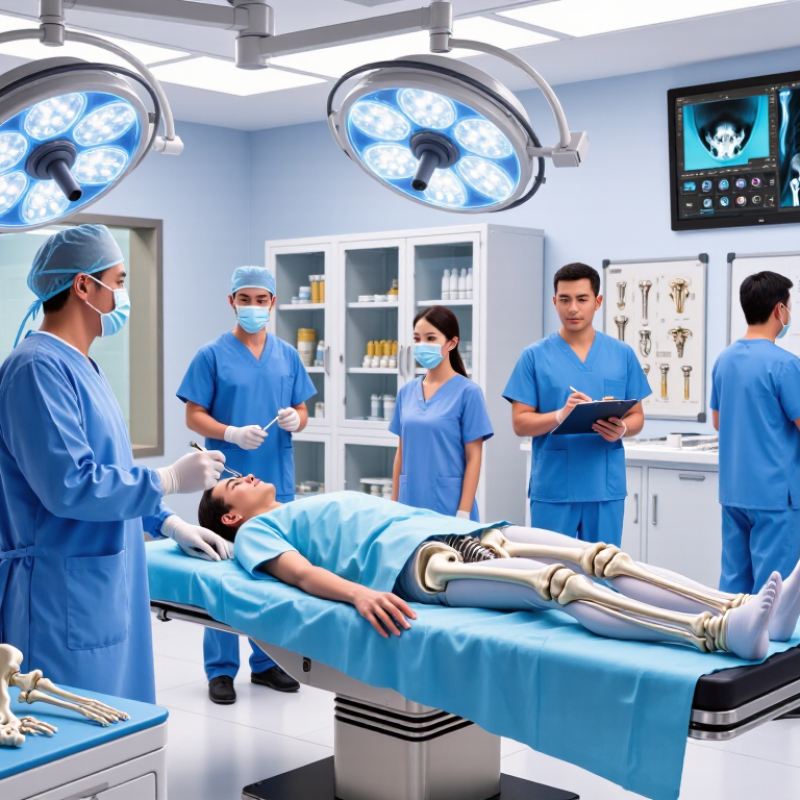
How to Prevent Orthopedic Implant Failure in 2026?
The National Joint Registry’s 2024 annual report shows roughly 95% ten-year survival for many hip and knee implant groups. In plain terms, most recorded implants had not been revised within ten years. That is reassuring, but it is not a personal guarantee. Results vary by implant, operation, patient health, and how “survival” is measured.
Map the risks. A patient’s age, weight, activity, bone quality, and other health conditions can affect recovery and long-term loading. A registry can reveal patterns across thousands of procedures, yet it cannot predict one person’s outcome. Ask your surgeon how the proposed implant performs in registry data and whether the comparison matches your age and diagnosis. Details matter.
Small habits count. Follow your rehabilitation plan, keep scheduled reviews, and report new pain, swelling, warmth, or reduced movement. Do not push through symptoms just to meet a timetable. The NJR’s findings are a useful guide, not a reason to ignore warning signs. I would also be cautious about treating a single percentage as the whole story; revision rates may miss problems that are managed without another operation.
| Risk domain | Examples of risk factors | Typical timing | Potential consequence | Evidence-based prevention priorities | Early warning signs | Suggested monitoring | Evidence status |
|---|---|---|---|---|---|---|---|
| Infection | Diabetes, obesity, smoking, poor skin condition, previous joint infection, immunosuppression | Usually early, but late infection can occur | Persistent pain, wound problems, implant loosening, revision surgery | Optimize glucose control; stop smoking; treat active infections; use appropriate perioperative antibiotics and sterile surgical protocols; maintain wound care | Increasing wound drainage, redness, warmth, fever, escalating pain or swelling | Wound review, clinical examination, inflammatory markers and joint-fluid testing when clinically indicated | Strong clinical consensus |
| Aseptic loosening and osteolysis | Mechanical stress, bone quality, implant position, wear particles, high activity, excessive load | Often develops gradually over years | Progressive pain, instability, bone loss and revision requirement | Accurate component positioning; assess bone health; follow weight-bearing and rehabilitation instructions; investigate new activity-related pain | New or worsening load-related pain, reduced function, limp or instability | Radiographs when symptoms develop and according to local follow-up protocols | Well-established mechanism |
| Instability and dislocation | Previous dislocation, soft-tissue imbalance, component malposition, falls, neuromuscular disease | Most common in the early postoperative period, but recurrence is possible | Emergency reduction, recurrent instability or revision surgery | Individualized surgical planning; early muscle strengthening; fall prevention; follow movement precautions when prescribed | Sudden severe pain, inability to bear weight, limb shortening or abnormal position | Urgent clinical assessment and imaging after a suspected dislocation or significant fall | Strong clinical evidence |
| Periprosthetic fracture | Falls, osteoporosis, advanced age, poor balance, previous revision surgery | Any time after implantation; risk rises with falls and fragile bone | Fracture, loss of implant stability and complex revision surgery | Assess fracture risk; manage osteoporosis; improve balance and home safety; use appropriate walking support during recovery | Sudden pain, swelling, deformity or inability to walk after trauma | Bone-health assessment and prompt radiographs after any significant fall | Strong clinical evidence |
| Wear and material-related failure | Long implant exposure, high activity, malalignment, bearing wear and biological response to debris | Typically later, developing progressively | Inflammation, bone loss, pain and revision surgery | Use implants with established clinical evidence; optimize alignment; attend follow-up if pain or function changes | Gradual pain, swelling, clicking, reduced range of motion or declining function | Clinical review and imaging; additional tests depend on implant type and symptoms | Established mechanism; implant-specific variation |
| Patient-related load and lifestyle | High body weight, smoking, uncontrolled diabetes, extreme impact activity, poor rehabilitation adherence | Before surgery and throughout implant life | Higher risk of wound complications, infection, falls, pain and mechanical stress | Shared preoperative risk assessment; smoking cessation; weight and diabetes management; progressive low-impact exercise; maintain muscle strength | Persistent functional decline, repeated falls, poor wound healing or uncontrolled medical conditions | Regular review of mobility, weight, glucose control, smoking status and rehabilitation progress | Strong modifiable-risk evidence |
| Blood clots and cardiopulmonary events | Previous venous thrombosis, immobility, cancer, obesity, thrombophilia and major medical comorbidity | Most often during the early recovery period | Deep-vein thrombosis or pulmonary embolism; may interrupt rehabilitation | Individualized thromboprophylaxis; early mobilization; hydration; follow prescribed medication and compression guidance | Calf swelling or pain, sudden breathlessness, chest pain, coughing blood or fainting | Urgent assessment for suspected symptoms; medication review during follow-up | Strong clinical evidence |
| Follow-up and registry surveillance | Missed reviews, delayed reporting of symptoms, incomplete rehabilitation or absent long-term records | Throughout the implant lifecycle | Delayed diagnosis of infection, loosening, fracture or instability | Keep operative records; attend clinically appropriate reviews; report persistent or new symptoms promptly; use national registry data for population-level surveillance | Any sustained change in pain, mobility, alignment, swelling or joint function | Risk-based clinical follow-up, patient-reported outcomes and imaging when indicated | Established surveillance principle |
Key data point
National joint-registry reporting indicates that approximately 95% of primary hip and knee replacements remain unrevised at 10 years, although survival varies by joint, patient characteristics, procedure type, implant design, surgical factors and follow-up duration. Registry survival is not a guarantee for an individual patient.
Source framework: national joint-registry survival reporting, orthopedic clinical guidelines, infection-prevention guidance, venous-thromboembolism prevention guidance and peer-reviewed evidence on arthroplasty complications. Individual prevention and follow-up plans should be determined by the treating orthopedic and medical teams.
Strong fixation begins before the incision. Bone weakness can reduce screw, stem, or plate stability.
Treatment may be considered at a 10-year hip fracture risk of 3% or higher. A major fracture risk of 20% or higher may also support treatment.
No. Bone density can miss local weakness around the planned implant. Clinical history and imaging matter too.
It suggests three similar patients may experience hip fractures within ten years. That is a warning signal, not a guarantee.
Review previous fractures, age, medications, secondary osteoporosis, radiographs, and nutrition. FRAX is guidance, not a verdict.
Correct vitamin D deficiency when medically indicated. Address smoking, repeated falls, and poor nutrition. Small changes matter.
Review five-year revision rates from large, recent national registries. Compare similar patients, designs, and fixation methods.
Revision may result from infection, injury, or pain rather than implant failure. Some failed implants are never revised. Read confidence intervals, not headlines alone.
No. Registry results may involve different ages, bone quality, activity levels, and follow-up periods. I would not choose an implant from one ranking alone.
Recheck the assumptions. FRAX may miss local weakness and implant-specific loading. A stronger construct can still fail after repeated falls or poor healing.
Preventing orthopedic implant failure in 2026 requires a structured approach that begins with understanding risk. Current registry data suggest that approximately 95% of hip and knee implants remain successful at 10 years, but complications can still occur. What causes orthopedic implant failure often includes infection, poor bone quality, loosening, fracture, wear, and delayed detection of problems. Since periprosthetic joint infection affects roughly 1–2% of primary arthroplasties, careful surgical preparation, sterile technique, wound care, and early evaluation of warning signs are essential.
Bone health and implant fixation should also be addressed before surgery. Fracture-risk thresholds, such as a 3% ten-year hip-fracture risk or 20% major-fracture risk, can help guide treatment decisions and support stronger fixation. Implant selection should consider five-year revision trends reported by national registries rather than short-term assumptions. After surgery, patient-reported outcome measures, scheduled follow-ups, and registry-based alerts can identify declining function early, allowing timely intervention before revision surgery becomes necessary.
