Sete Orthopedic Implants
Sete Orthopedic Implants
Sete Orthopedic Implants
Explore our premium ISO/CE certified orthopedic hardware manufactured with bio-compatible titanium alloys and surgical-grade stainless steel.
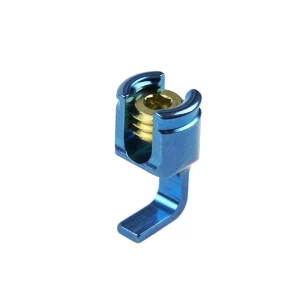
China Manufacture Orthopedic Surgical Implants Laminar Hook for Posterior Cervical Fixation System Spinal Implant
View Product Details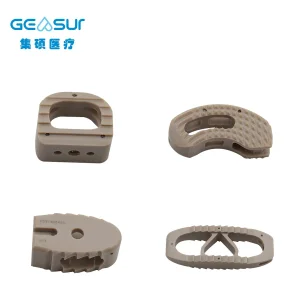
Durable Titanium Coating Surgical Instrument Set Orthopedic Implant Plif Lumbar Interbody Fusion Peek Cage System
View Product Details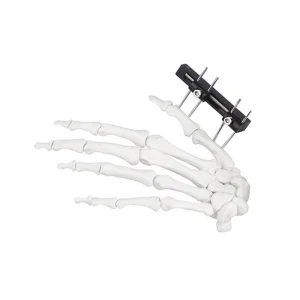
Surgical Instruments Mini External Fixator Straight Track Type for Orthopedic Fixation
View Product Details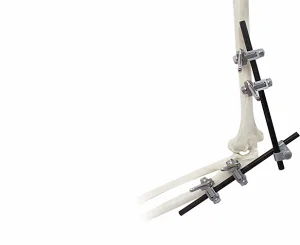
External Fixator for Bone Fixation, Stylish White & Black, Titanium Alloy
View Product Details
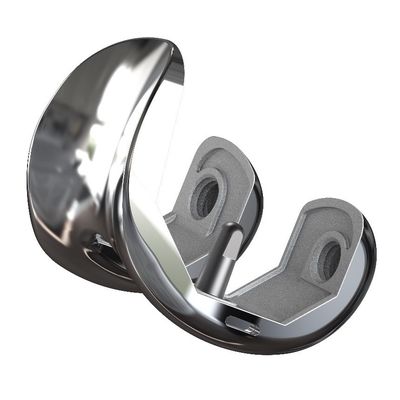
Orthopedic Prosthesis Replacement Sterilized Carton Package Class III Knee Joint
View Product Details
Titanium Pfna Gamma Intramedullary Nail, Titanium Alloy, Orthopedic Implant Trauma Set
View Product Details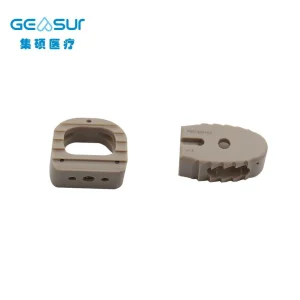
Titanium Coating Surgical Instrument Set Orthopedic Implant Cervical Interbody Fusion Peek Cage
View Product Details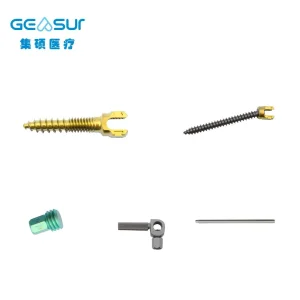
Disposable Titanium Spine Pedicle Screw Domino Connector Surgical Instrument Orthopaedic Implant 5.5 System
View Product DetailsBased on a complete and integrated supply chain ecosystem, Shanghai Sete Technology Co., Ltd. delivers comprehensive orthopedic product series, advanced trauma solutions, and specialized instrumentation. With over 30 years of manufacturing and export experience, we maintain expansive OEM and ODM capabilities to engineer custom implant solutions for global hospital networks and medical device distributors.
Specialized prosthetics engineered for maximum biomechanical durability and anatomical congruence.
Understanding the engineering paradigm shift from dynamic compression to fixed-angle stability in orthopedic trauma fixations.
Unlike conventional non-locking plates that rely entirely on plate-to-bone friction, modern locking compression plates (LCP) utilize threaded screw heads that mechanically lock directly into threaded plate holes. This creates a rigid, fixed-angle construct that acts as an internal fixator, significantly reducing the risk of screw loosening and primary/secondary loss of reduction under dynamic physiological load.
Traditional plating techniques demand heavy plate compression against the cortex, which suppresses periosteal microcirculation and leads to localized bone necrosis. Locking plate systems maintain an intentional micro-gap above the periosteum. By protecting cortical blood perfusion, locking plates accelerate secondary fracture healing through robust callus formation and decrease postoperative infection risks.
Leading Chinese manufacturing plants utilize medical-grade Ti-6Al-4V ELI (ASTM F136 / ISO 5832-3). Titanium alloys exhibit a elastic modulus (~110 GPa) considerably closer to natural human cortical bone (~18 GPa) compared to stainless steel (~200 GPa). This close elasticity match mitigates stress shielding, minimizes post-healing bone osteopenia, and offers supreme bio-compatibility for permanent or long-term fixation.
Next-generation locking plate platforms developed by premier Chinese factories integrate polyaxial locking technology. Surgeons can direct locking screws within a conical envelope (up to ±15°) before final thread engagement. This flexibility allows precise targeting of complex intra-articular fracture fragments without compromising final locking thread integrity.
From metallurgical verification to ISO Class 7 cleanroom packaging, explore how top Chinese suppliers maintain zero-defect standards.
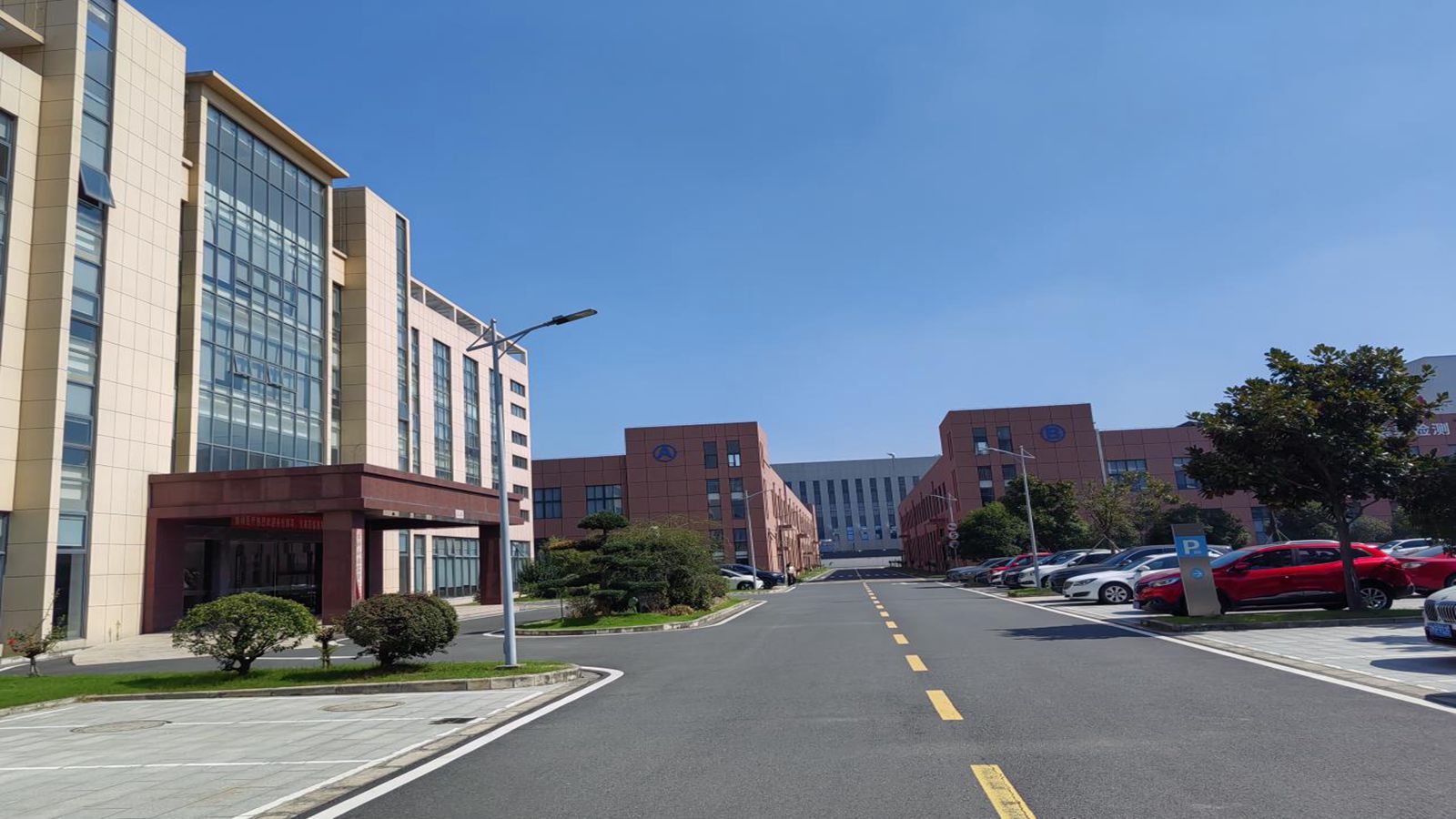
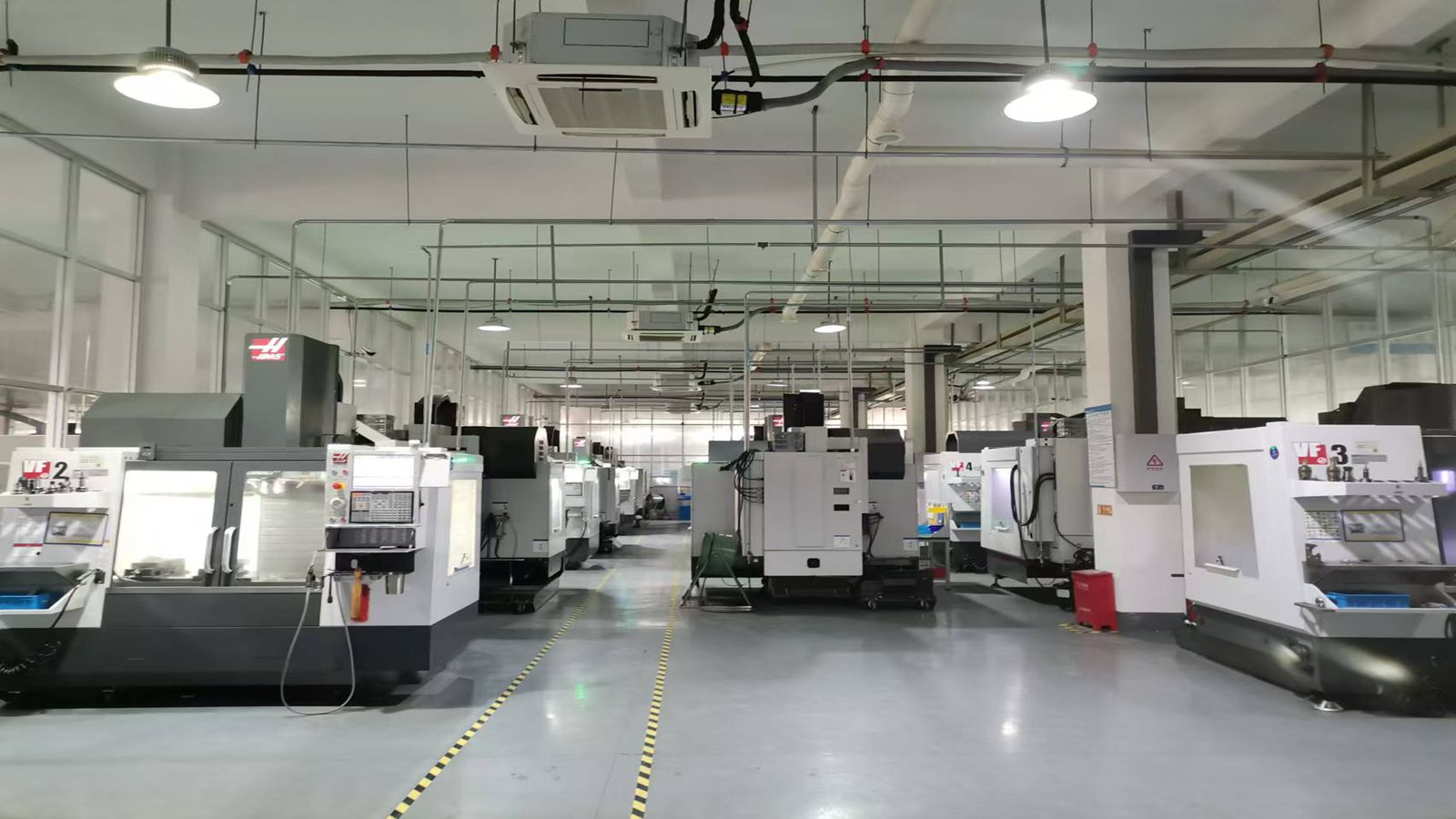
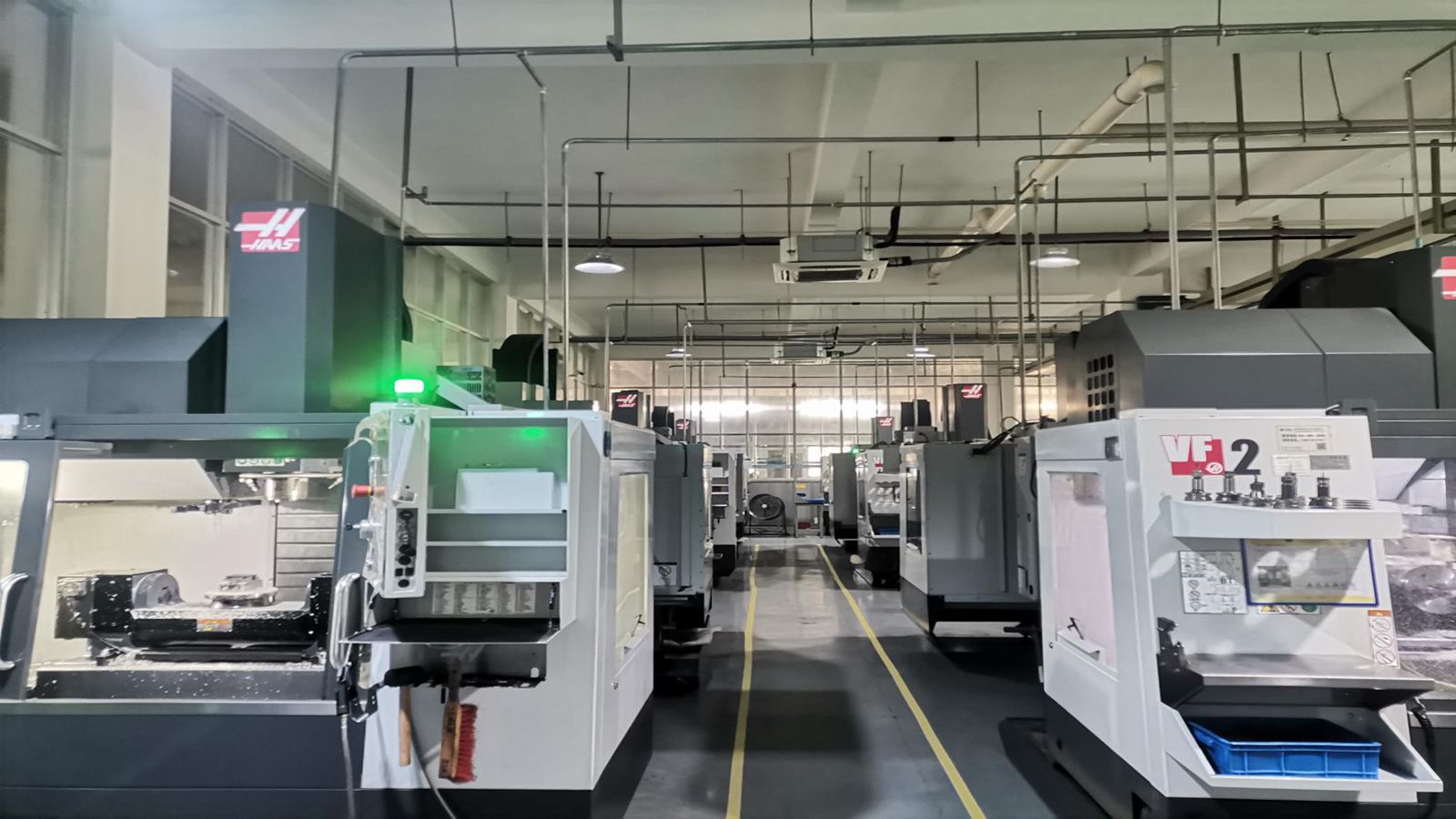
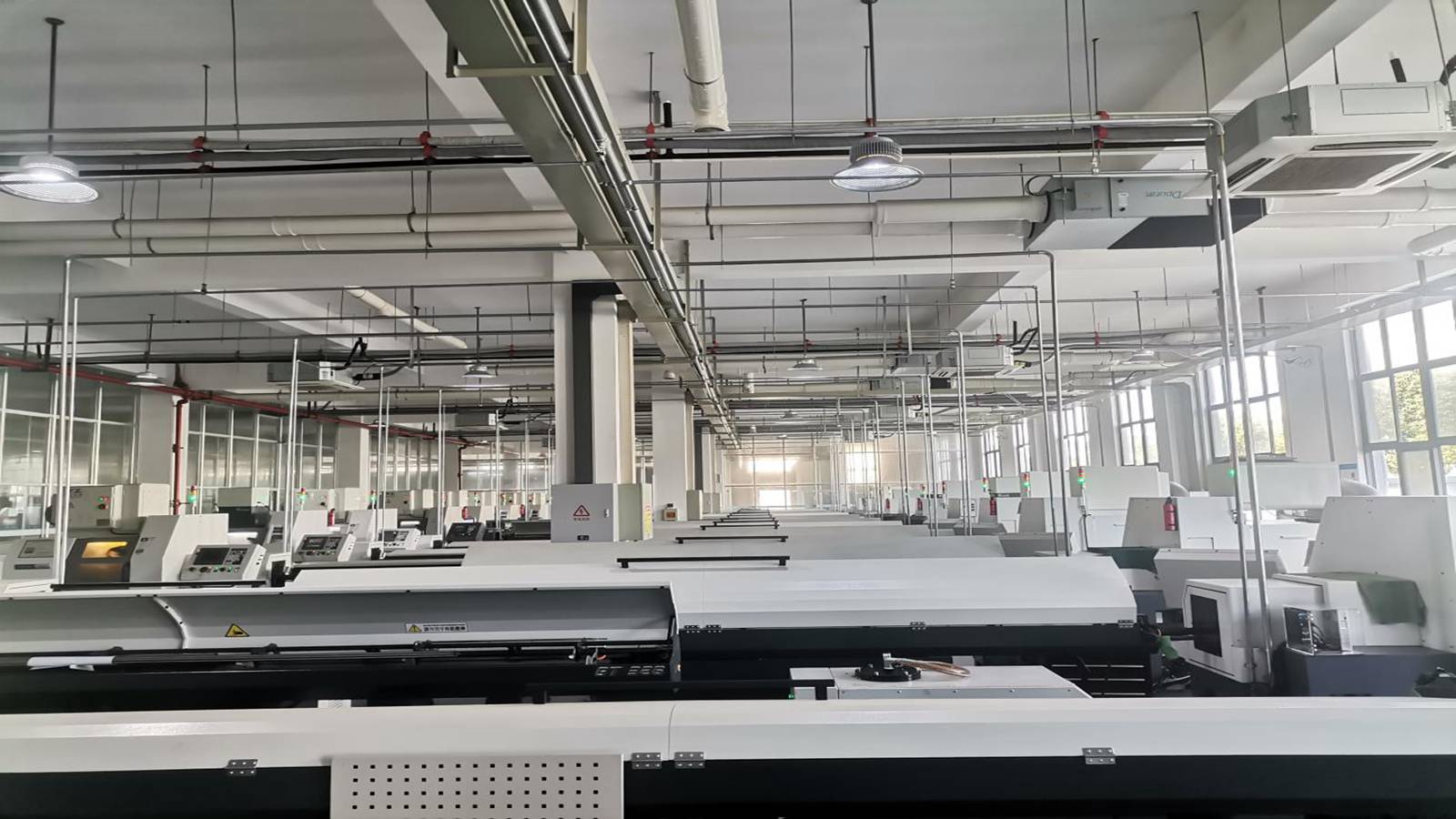
Strategic advancements in smart implants, additive manufacturing, and bioabsorbable materials engineered in China's innovation hubs.
Selective Laser Melting (SLM) additive manufacturing allows Chinese factories to integrate trabecular-like porous structures into locking plates and cages. These biomimetic pore geometries promote rapid osseointegration and vascular ingrowth, creating superior long-term construct stability in complex revision surgeries.
Eliminating secondary metal removal surgeries is a major clinical goal. Research institutes and leading vendors across China are developing bioabsorbable magnesium-zinc-calcium alloys. These implants provide structural rigidity during initial bone healing, slowly degrading into non-toxic ions as physical bone matrix replaces the plate.
Integrating micro-strain sensors and passive telemetry into specialized locking compression plates enables real-time remote monitoring of fracture healing dynamics. Surgeons can quantify weight-bearing progress and detect delayed union or fatigue failure before catastrophic clinical complications occur.
Applying nanoscale Hydroxyapatite (HA) coatings, Type II anodic oxidation, and anti-bacterial silver micro-particle deposition on titanium plates drastically reduces biofilm formation and postoperative hospital-acquired implant infections, setting new benchmarks for clinical safety.
How China has transformed into the primary global hub for high-volume, high-precision medical device manufacturing.
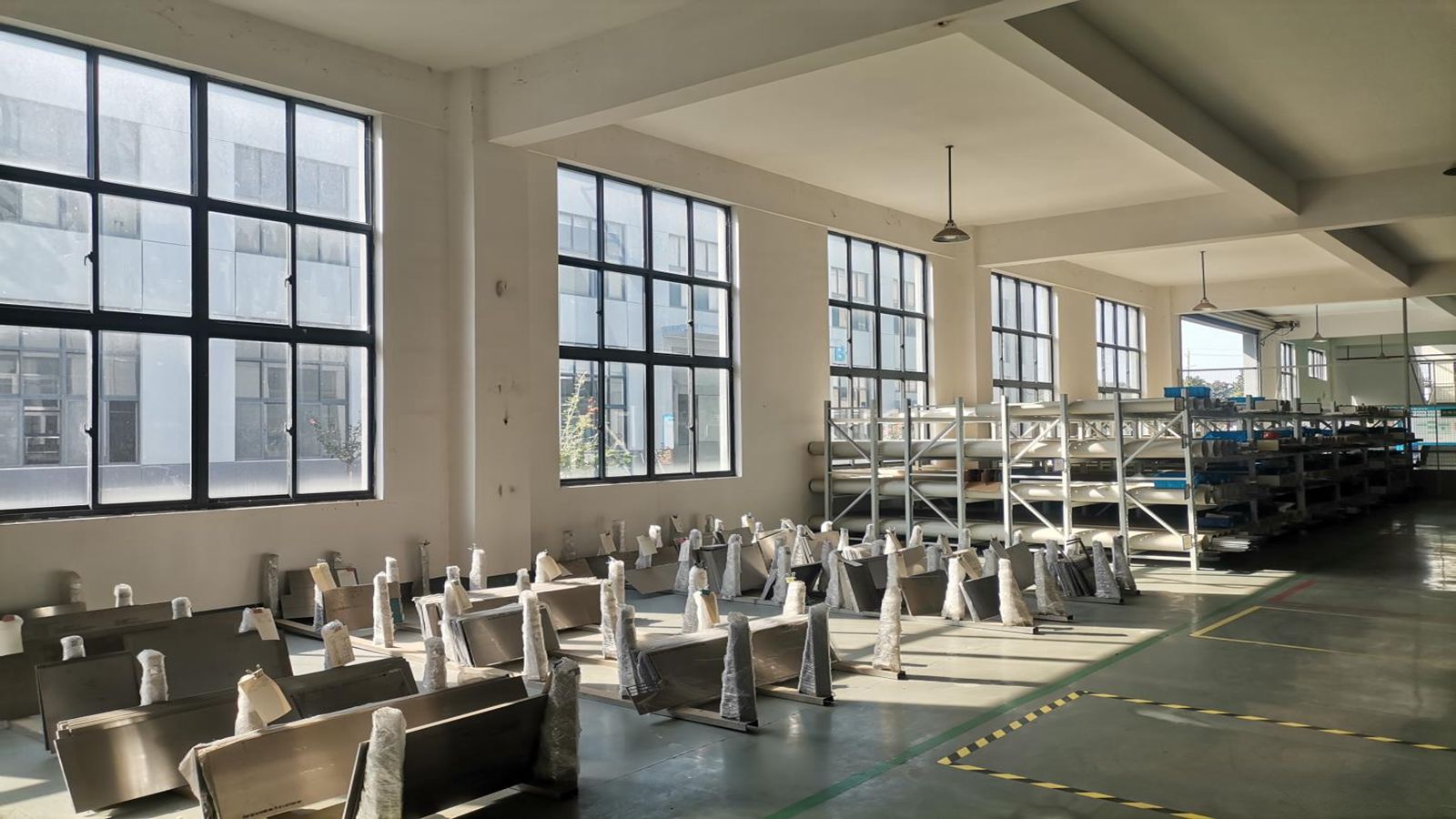
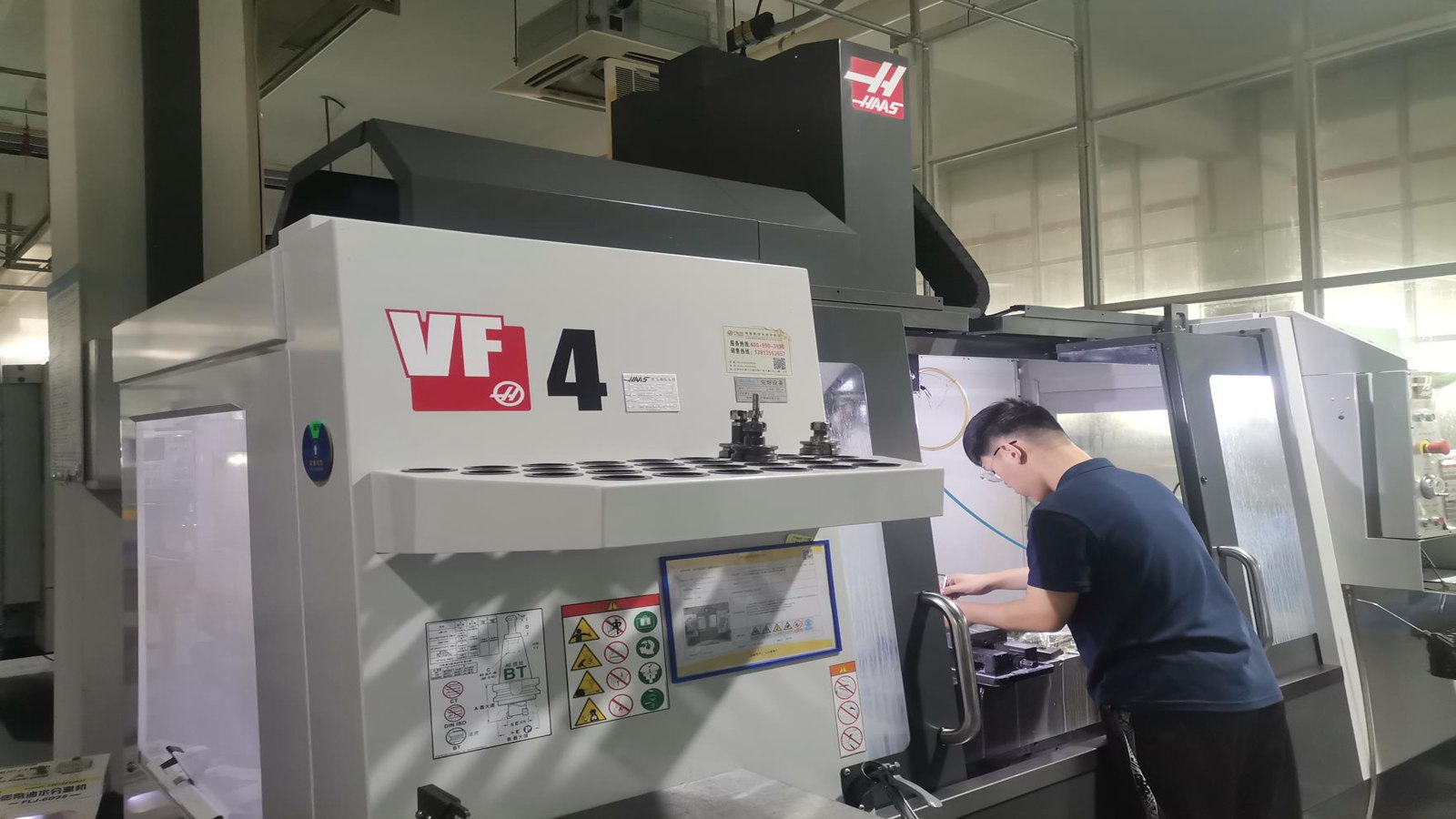
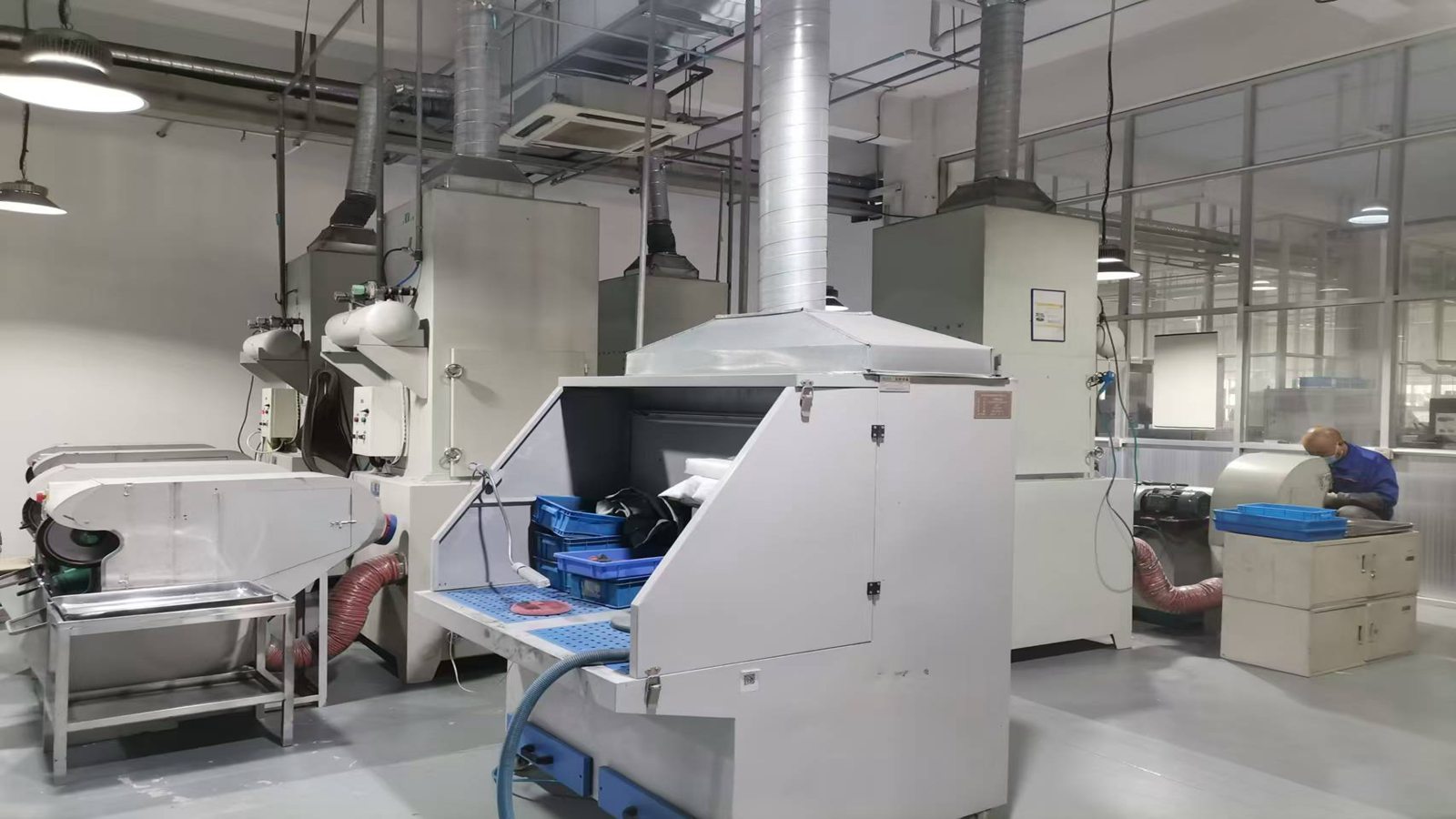
China's medical device manufacturing infrastructure benefits from tightly integrated industrial clusters located in Shanghai, Jiangsu, and Zhejiang. From certified medical-grade titanium bar procurement (Ti-6Al-4V ELI) to high-speed 5-axis Swiss-type machining lathes (Citizen, Tsugami), tool manufacturing, surface treatment facilities, and gamma-sterilization hubs, every link in the supply chain operates within close geographical proximity.
This cluster effect drastically cuts logistics lead times, streamlines raw material testing, and enables batch manufacturing scalability that cannot be matched in Western markets. The result is a 30% to 50% cost advantage for equal or superior precision tolerances (±0.005mm).
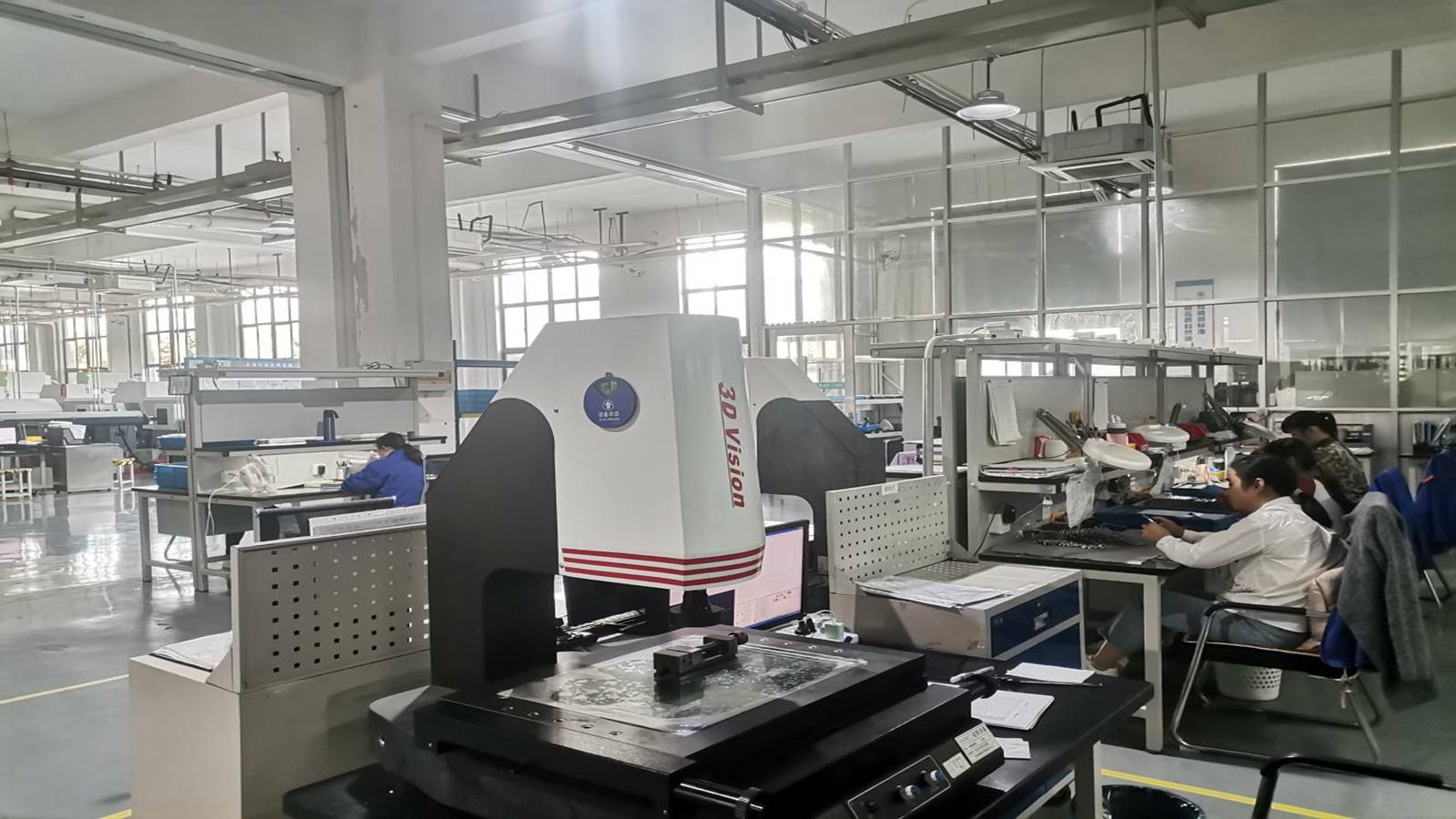
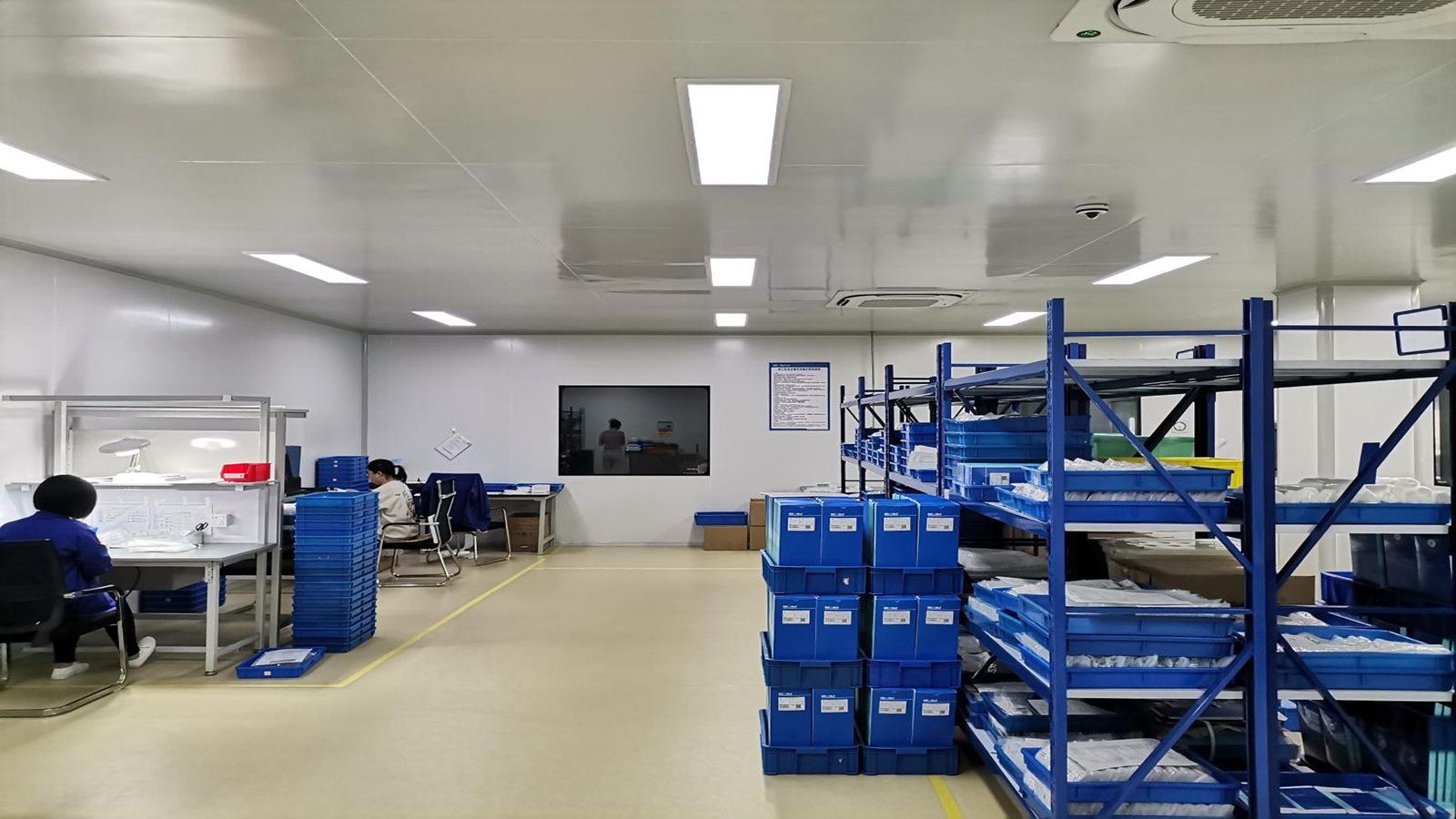
To serve top global distributors and multinational brand labels, leading Chinese OEM factories comply strictly with ISO 13485:2016 quality management frameworks and Medical Device Regulation (MDR CE) guidelines. Modern facilities utilize cleanroom packaging meeting ISO Class 7 standards, optical CMM coordinate measurement machines, dynamic fatigue testers, and complete heat-treatment lot traceability.
International procurement buyers can obtain comprehensive technical documentation (510k submission packets, STED dossiers, and mechanical test reports according to ASTM F382) to expedite regional regulatory registrations.
Browse our complete catalog of trauma, spine, external fixation, and sports medicine surgical kits.
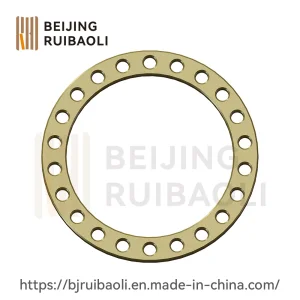
Orthopedic External Fixator - Ilizarov External Fixator-Aluminum Alloy Full Ring
View Product Details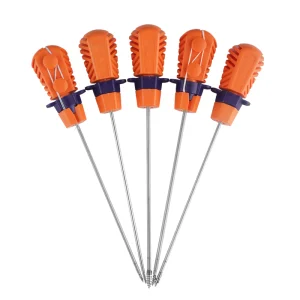
Suture Anchor Surgical Instrument Orthopedic for Rotator Cuff Repair
View Product Details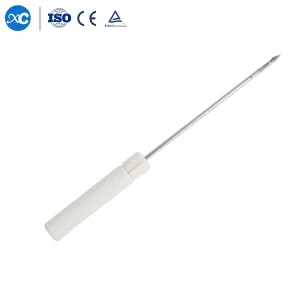
Sport Medicine Instrument Kit 5.0 Double Threaded Suture Anchor
View Product Details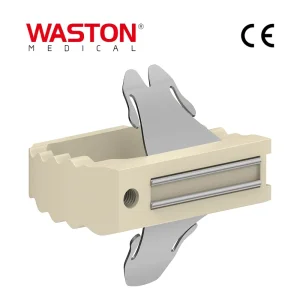
Disposable Surgical Neulen Laminoplasty Inter Pedicle Screw Orthopaedic Instrument Set Implant Arrow Cage System
View Product Details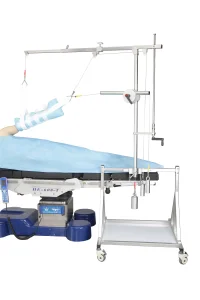
Lateral Decubitus Position Shoulder Arthroscopy Positioning
View Product Details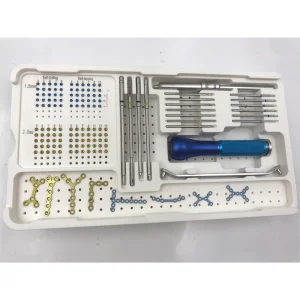
Jinlu Medical Orthopedic Implant Maxillofacial Instrument Set
View Product Details
Qt500-7 GB 1348-88 Rail Shoulder Industrial Component
View Product Details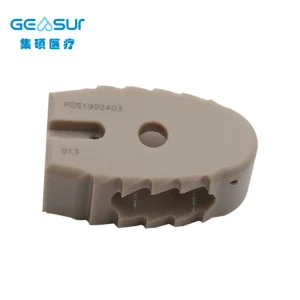
Industrial Hot Selling Titanium Coating Surgical Instrument Set Orthopedic Implant Plif Lumbar Interbody Fusion Peek Cage System
View Product DetailsEssential guidance on OEM customization, regulatory support, material compliance, and sample testing.
LCP systems utilize threaded screw heads that lock into the plate, forming a rigid fixed-angle construct independent of bone friction. DCP relies on plate pressure against the periosteum to maintain stability. Locking plates provide superior stability in osteoporotic bone, cominuted fractures, and metaphyseal zones while protecting cortical blood flow.
We primarily utilize medical-grade Titanium Alloy (Ti-6Al-4V ELI conforming to ASTM F136 / ISO 5832-3) and high-grade 316L Implantable Stainless Steel (ASTM F138). For spine fusion cages, we incorporate medical PEEK (Polyetheretherketone) paired with titanium spray coatings.
Yes. Shanghai Sete Technology Co., Ltd. provides full engineering design, 3D CAD modeling, rapid prototyping, tool manufacturing, and production testing. We can modify plate contours, screw hole patterns, anodization colors, and laser-etch your private label branding.
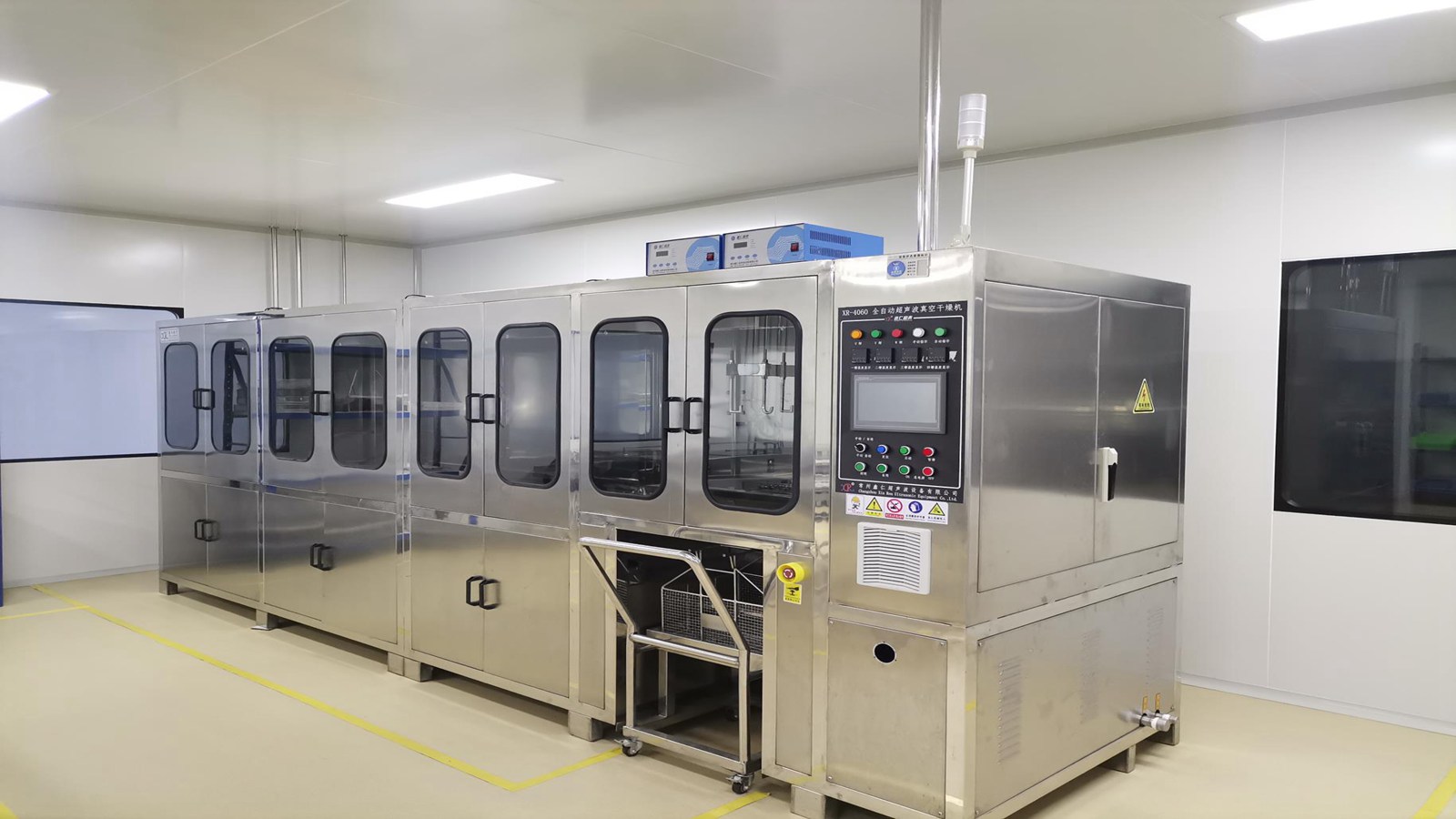
We execute strict quality control at every stage: 100% incoming raw material chemical and mechanical inspection, dynamic 5-axis CNC machining, automated CMM dimensional checks, 18-stage ultrasonic cleaning, and final batch inspection under ISO 13485 standards before cleanroom packaging.
We provide full technical dossier files including ISO 13485 certificates, CE declarations of conformity, biocompatibility reports (ISO 10993 series), mechanical fatigue test results (ASTM F382 for bone plates), and detailed sterilization validation documentation.
To assist international partners in evaluating material quality, we offer a NO strict MOQ policy on standard items. Stock sample evaluation units can be shipped within 48 to 72 hours, while custom OEM prototypes typically require 15 to 25 business days depending on design complexity.